



Crying is a natural process, but the discomfort that can come with it is just as common. That stinging feeling when you cry can happen when the delicate balance of your tears is disrupted or when outside irritants mix with them. Your tears have a complex job, and several factors, from your environment to your own body, can change how they feel on the surface of your eye.
Simple over-the-counter (OTC) or at-home remedies are often enough to bring relief if your eyes sting when you cry. But if the symptoms persist or worsen, it’s essential to discuss them with your eye doctor.
What’s In Your Tears?
Your tears are much more than just saltwater; they’re a combination of different layers that protect, clean, and lubricate your eyes. A change in their composition is a common reason you might feel a burning sensation when you cry.
The 3 Layers of Your Tear Film
Your tears have three distinct layers that work together to keep your eyes healthy. An imbalance in any 1 of them can irritate. The 3 layers are:
- The oily layer: This outer layer keeps your eye’s surface smooth and prevents your tears from evaporating too quickly
- The watery layer: As the thickest layer, the watery layer hydrates your eye, rinses away debris, and protects it from irritants
- The mucus Layer: This inner layer helps the tear film spread evenly across the surface of your eye
The 3 Types of Tears
Your body also makes different kinds of tears for various situations. Emotional tears contain more stress hormones and proteins than the tears that simply keep your eyes moist, and this different makeup can contribute to irritation.
Common Reasons for Stinging Eyes and Tears
A burning sensation is often a simple reaction to what is happening around you or inside your body. These factors can temporarily alter how your tears feel, leading to that familiar sting.
Environmental Irritants and Reflex Tears
Your eyes produce reflex tears to flush out things that don’t belong, like smoke, dust, or other irritants that can trigger eye allergies. These tears contain more antibodies to fight off potential bacteria, and that can cause a brief stinging feeling as they go to work.
Sweat and Face Products
If you cry while you’re sweating, the salt can mix with your tears, making them sting. Makeup, lotions, and other skincare products can also wash into your eyes, leading to irritation and burning.
Dehydration and Tear Balance
When you’re dehydrated, your body has less water to work with. This dehydration can affect your tears, making them saltier than usual and more likely to cause a stinging sensation.
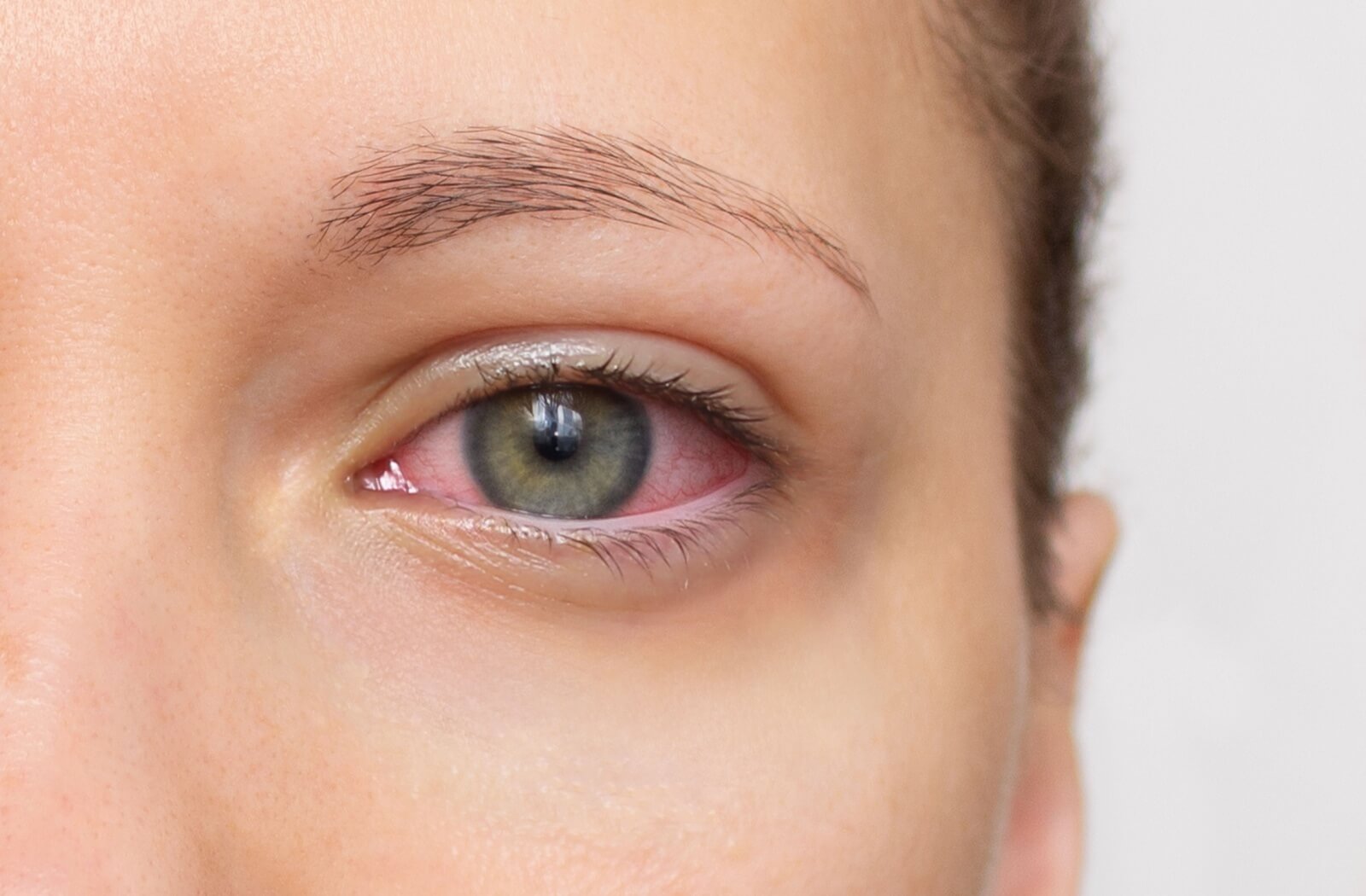
When the Sting Points to an Eye Condition
If your eyes frequently burn when you cry or the feeling is particularly intense, it may be related to an underlying eye condition. It’s helpful to recognize the signs so you can find a solution.
Dry Eye
Dry eye occurs when your eyes do not produce enough tears or when the tears you produce are not effective. This ineffectiveness can leave your eyes feeling irritated. When you cry, the sudden rush of emotional tears can feel more intense on an already sensitive surface. Common feelings with dry eye are:
- A scratchy or gritty feeling
- Redness in the eyes
- Blurry vision
Blepharitis
Blepharitis is a condition characterized by inflammation of the eyelids, often caused by blocked oil glands. Blepharitis can make your eyes feel sore all the time, and crying can make that burning feeling feel even worse. Some common symptoms include:
- Watery eyes
- Scratchy feeling in your eyelids
- Crusty debris on your eyelashes
Eye Allergies
Common allergens like pollen, pet dander, or dust can make your eyes red, watery, and itchy. Crying, and especially rubbing your eyes while you cry, can aggravate these symptoms and intensify the burning sensation.
Finding Relief from Irritated Eyes
You can take simple steps at home to soothe your eyes and reduce discomfort. These methods can help manage irritation, whether it comes from your environment or an underlying condition.
At-Home Care
A warm compress held over your closed eyes can help unblock oil glands. A cool compress can soothe allergy-related irritation. You can also gently clean your eyelids with a warm washcloth to remove any buildup.
OTC Options
Artificial tears can help lubricate your eyes if they feel dry and irritated throughout the day. For allergies, OTC antihistamine eye drops may help reduce itchiness and burning.
Lifestyle Tips for Eye Comfort
Staying hydrated helps your body produce balanced, healthy tears. It also helps to avoid known irritants like smoke and to wear sunglasses outdoors, which protects your eyes from wind and dust.
When to See an Eye Doctor in Winnipeg
An occasional sting is usually nothing to worry about, but persistent discomfort is a good reason for a closer look. If home remedies are not providing relief or your symptoms seem to get worse over time, a professional opinion can help.
An eye exam can identify the root cause of your irritation, whether it’s dry eye, allergies, or another condition.
Our experienced team at Henderson Vision Centre delivers personalized attention to help you find a plan to manage your symptoms. Call our team today or book your appointment with our convenient online booking form.