

Key Takeaways
- Pink eye inflames the transparent layer of your eye.
- Viral and bacterial types spread easily between people.
- Redness, itchiness, and discharge point to an infection.
- Cool compresses and prescribed drops bring quick relief.
- Frequent handwashing helps protect your eyes from spreading germs.
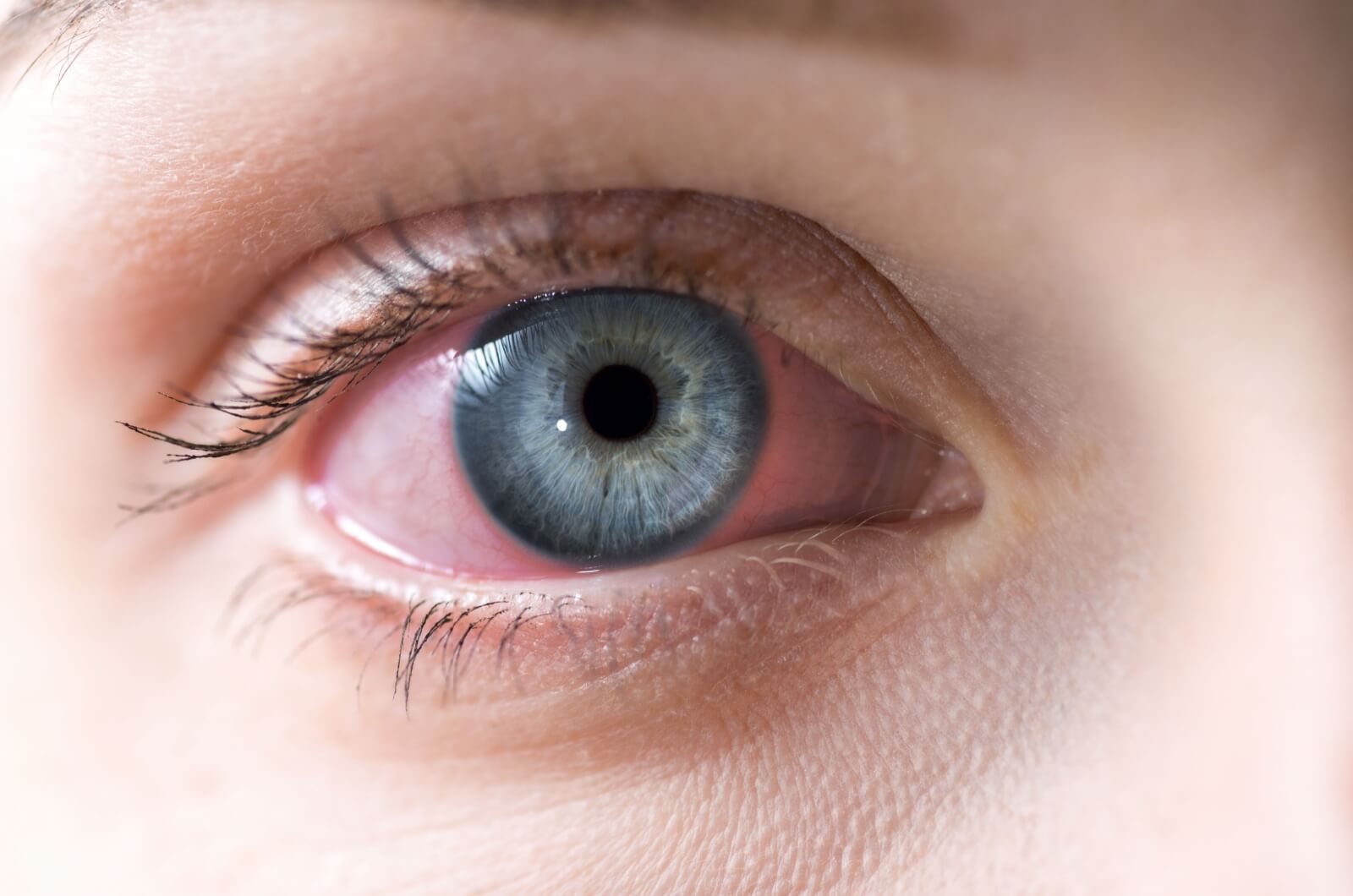
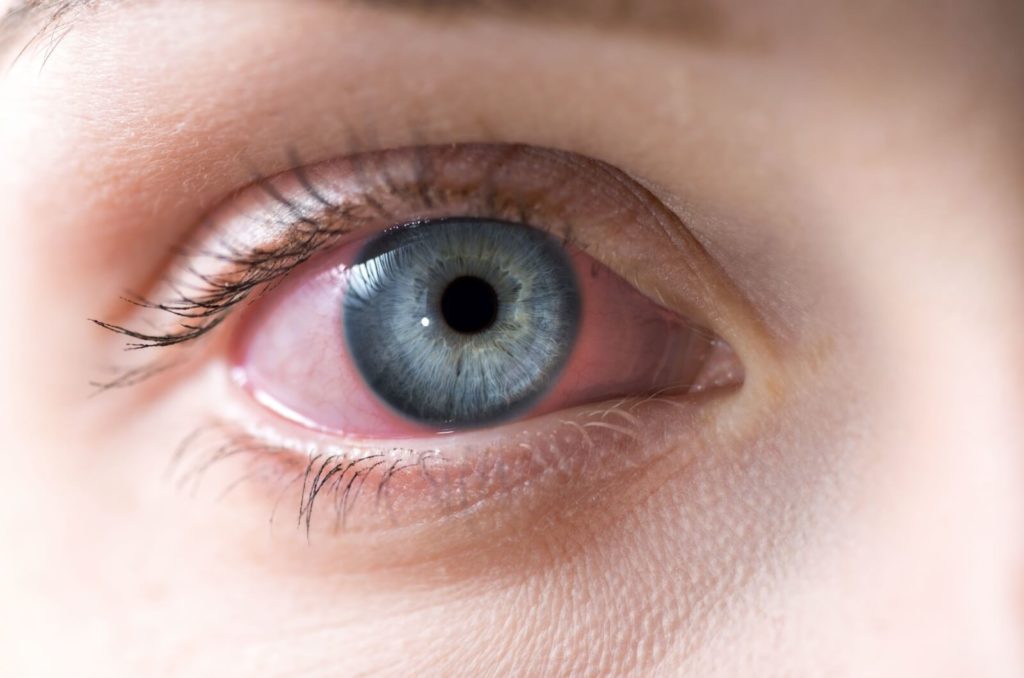
You wake up to find your eyelids glued shut with a sticky yellow crust. Your morning mirror reflects a bright red eye that feels like it has sand trapped underneath the lid. This uncomfortable reality happens often when you encounter conjunctivitis.
Pink eye signs include severe redness, thick discharge, and itchiness, but the team at Henderson Vision Centre, your eye doctor in Winnipeg, can help you treat these symptoms with cool compresses and prescribed drops. Understanding the specific type of infection helps you find the right path to comfortable vision. If you feel unsure about your symptoms at home, a quick pink eye quiz helps point you in the right direction.
The Basics Of Pink Eye
Conjunctivitis inflames the transparent layer that covers the white part of your eye. This thin membrane helps keep your eye moist and protected from outside dust. The small blood vessels expand and turn red when this area gets irritated, leading to common conjunctivitis symptoms.
You can experience three main types of this condition. Viral infections often happen alongside a common cold. Bacterial infections bring thicker discharge and need a different approach. Allergic reactions happen when your body reacts to pollen or pet dander in the air.
The viral and bacterial forms spread very easily between people. You can catch the infection simply by touching a contaminated door handle and rubbing your eye. Proper hygiene helps keep the infection from moving to your family members.
Common Symptoms & Signs To Notice
Viral & Bacterial Signs
An infection quickly changes the way your eye looks and feels. You might notice these specific changes during a viral or bacterial infection, though some symptoms get mistaken for pink eye.
- Redness in the white of your eye
- Thick yellow or green discharge
- Eyelids stuck together in the morning
The sticky discharge often dries overnight and forms a hard crust. A warm, damp cloth helps soften this crust so you can open your eyes comfortably.
Allergy Related Signs
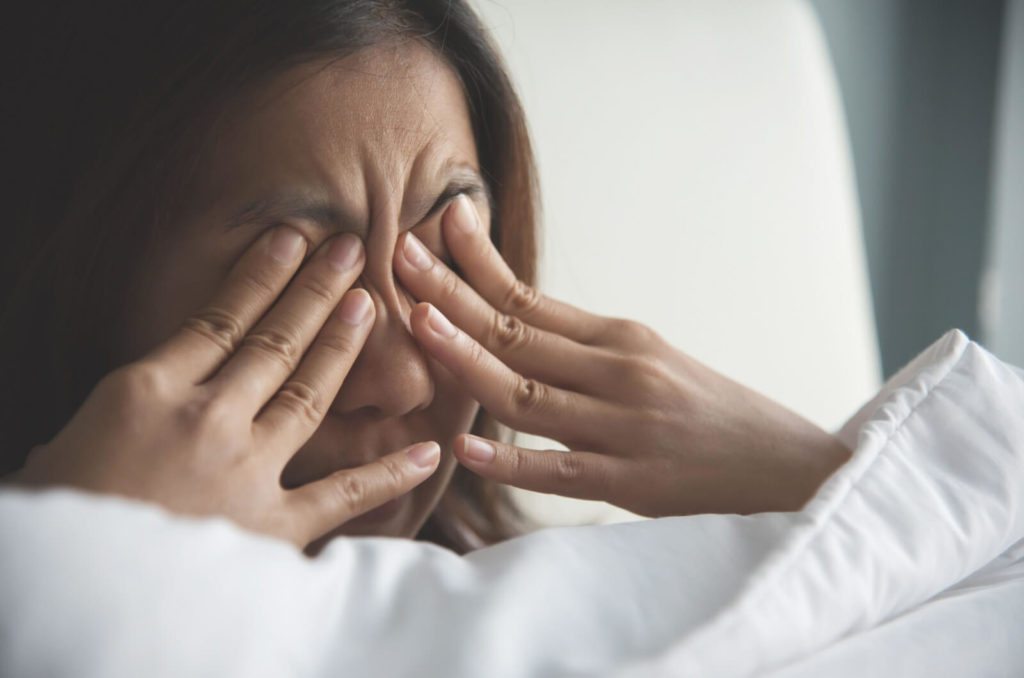
Environmental factors bring a different set of uncomfortable reactions. You might experience these reactions when pollen counts rise or dust enters your home, leading to uncomfortable ocular allergies.
- Itchy or watery eyes
- Increased tear production
- Sensitivity to bright light
Your eyes often feel incredibly itchy during an allergic reaction. This specific type of pink eye usually affects both eyes at the exact same time.
Questions To Ask About Your Eyes
You can narrow down the type of infection by observing your daily symptoms. A quick check helps the doctor understand your specific situation better.
- Check if your eyes look red
- Note any thick eye discharge
- Think about recent cold exposure
Your answers help determine the right path for your recovery. A recent runny nose or cough often points straight to a viral infection. Thick crusts usually indicate a bacterial issue that requires specific attention, and sudden severe pain means you should seek urgent eye care.
Simple Treatment Options Available
Viral & Bacterial Care
Your path to clear vision depends heavily on the root of the problem. You have several simple ways to find comfort at home.
- Use cool compresses for comfort
- Apply prescribed antibiotic drops from the doctor
- Rest your eyes frequently
A bacterial infection often requires a targeted approach to clear up properly. The team can provide personalized attention to assess your condition during a comprehensive eye exam. They can prescribe specific drops that help fight off the bacteria quickly.
Allergy Relief Steps
Allergies require a completely different approach to find lasting relief. You can manage these reactions with a few simple environmental changes.
- Use simple antihistamine drops
- Avoid known dust or pollen
- Consult the team for personalized advice
Keeping your windows closed on high pollen days keeps irritants out of your home. You can also wash your pillowcases frequently to remove trapped dust mites. The doctor can suggest specific eye drops that calm the itchiness down.
Habits To Protect Your Eyes
Good daily habits help keep your vision clear and your eyes healthy. You can stop an infection from spreading with a few straightforward actions.
- Wash your hands with soap often
- Avoid rubbing or touching your face
- Keep towels and makeup to yourself
Germs easily travel from your hands straight into your sensitive eyes. You protect your entire family when you use a separate hand towel in the bathroom. Washing your glasses frequently and throwing away old mascara stops bacteria from returning after your eye heals. If you wear contacts, proper lens cleaning helps prevent recurring infections.Taking care of your vision means paying attention to early warning signs. You can easily manage uncomfortable redness or thick discharge with the right support. The team at Henderson Vision Centre provides personalized attention to help you find relief from stubborn infections. You can contact the clinic today to schedule a visit and get your eyes back to feeling healthy.